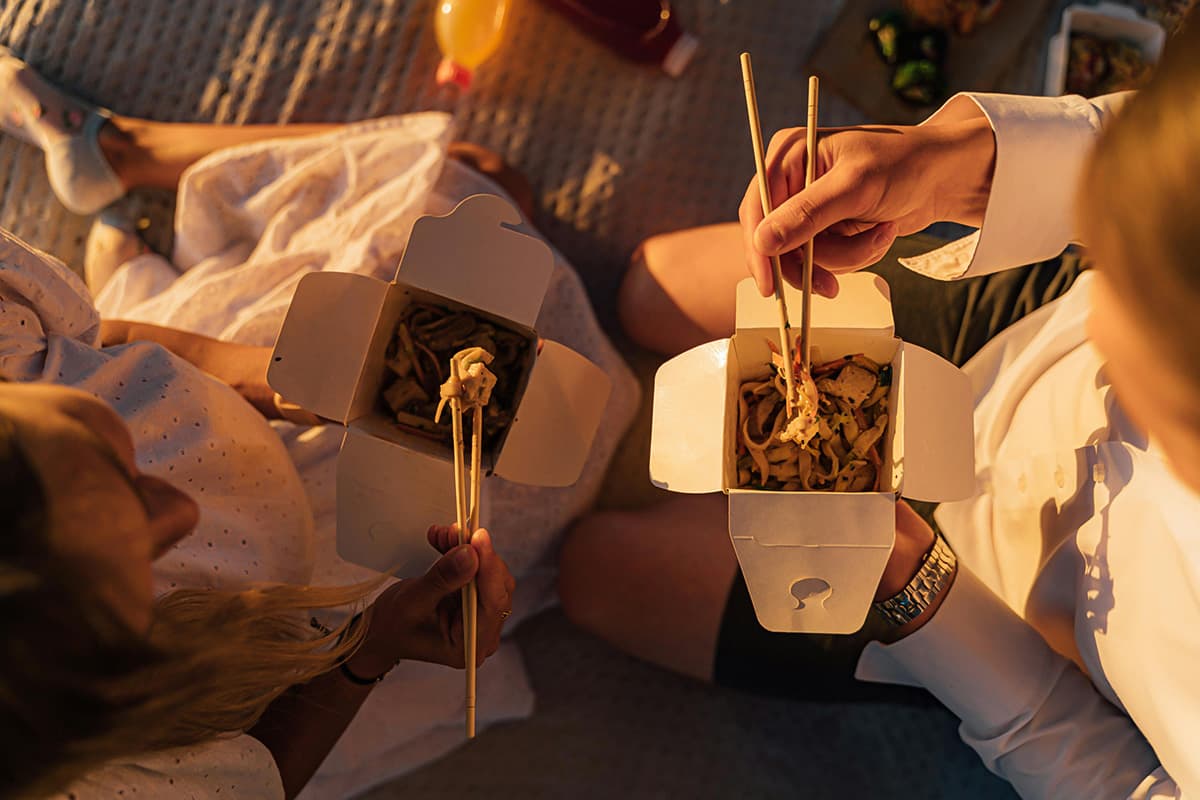
To-go containers are a big part of your brand identity. More and more of your customers are judging your brand by what you give them to take home.
This real-world guide looks at the most common to-go container materials and breaks down how well they actually work in EU recycling systems, and whether they're likely to remain smart, compliant choices as the regulations tighten.
We want you to be informed early and as profitable as possible, so we've included a recyclability rating and a future proof score for each material.
Wait… Regulations? Who Cares!
Sweeping packaging regulation like the PPWR is coming to Europe. It's going to affect everyone from big multinationals down to your local kebab shop.
BUT, it's the smaller businesses, the ones without full-time compliance teams or sustainability officers, that are most likely to get caught off guard.
Things are moving fast. Some materials are going to be banned. Others will become the new normal. So do your research now.
The Contenders: Material by Material
The Clear Winner: Reusable Container Systems
Common examples: borrow-and-return coffee cups, durable plastic meal containers, stainless steel systems
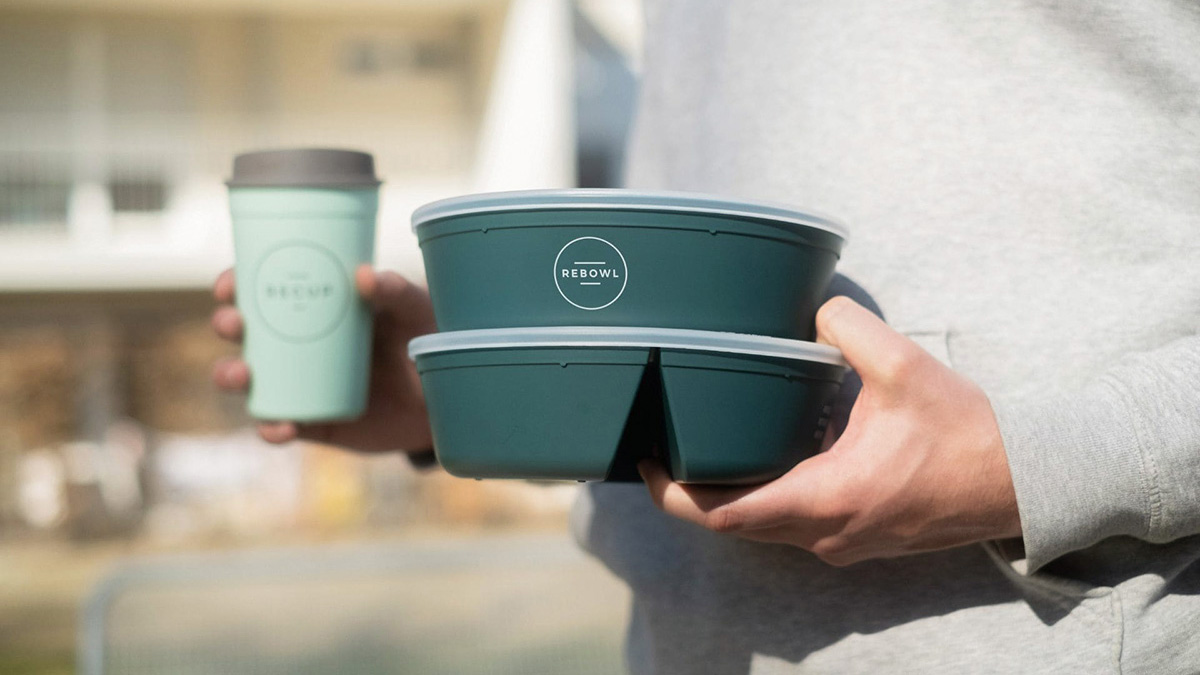
Here's the best option, hands down. "Reusable is always your best option, no matter what," says waste expert Sarah Currie-Halpern. Even when you factor in the thicker material and the water and energy needed to wash them, reusable containers require fewer resources, produce fewer greenhouse gases, and pollute less than disposables, as long as they're actually reused.
The break-even point can be as little as two uses, or sometimes more than 100, depending on the specific container and what it's replacing.
Reusable systems are gaining serious ground across Europe. RECUP, Germany's largest reusable system, offers deposit-based cups and bowls that customers can return anywhere in the network. In Denmark, TOMRA has launched automated collection points where customers can return reusable containers through reverse vending machines, the same ones used for bottle deposits, and get their deposit refunded instantly to their card. Sweden even requires restaurants serving over 150 people daily to offer reusable options alongside disposables.
They require more operational planning; collection points, washing systems, deposit mechanisms etc. but the waste reduction is dramatic.
Overall reusability: Very high
Almost unlimited reusability.
Future proof? Extremely
The most future-oriented option, though more complex to implement. The PPWR encourages reuse systems in certain food and beverage categories. While not mandatory for all takeaway formats yet, reusables will increasingly influence how the entire sector evolves.
Aluminum
Common examples: foil trays for lasagna or roast dishes, foil lids, oven-ready meal containers
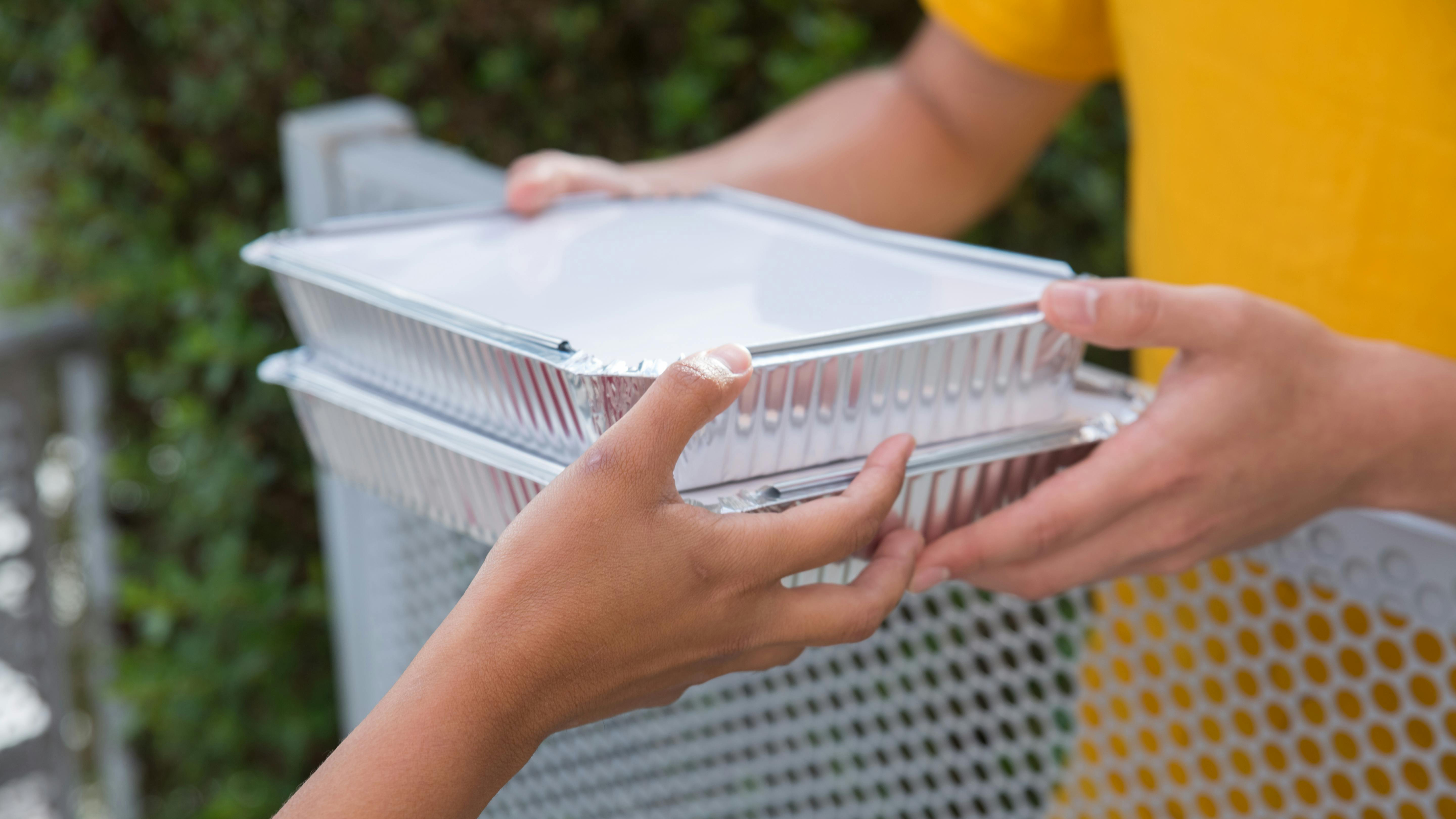
Those old-school crimped-edge aluminum trays? They're still around for a reason. They hold heat well, feel substantial, and work in ovens: perfect for restaurants doing baked dishes or anything saucy.
And here's the thing: aluminum is one of Europe's actual recycling winners. It's widely collected, easy to sort, and keeps its value even when it's covered in food residue. There's also a robust market for recycled aluminum, so these containers are often made with post-consumer material to begin with.
Overall recyclability: High
One of the best-performing materials in the EU system. Light, valuable, and widely accepted. Just watch out for mixed material lids. They're rarely recyclable.
Future proof? Extremely
This gives aluminum a seriously strong position under the PPWR, which rewards materials that are already recycled at high rates and don't need major system overhauls to work.
PET Plastic
Common examples: clear salad bowls, smoothie cups, fruit cups, clear lids
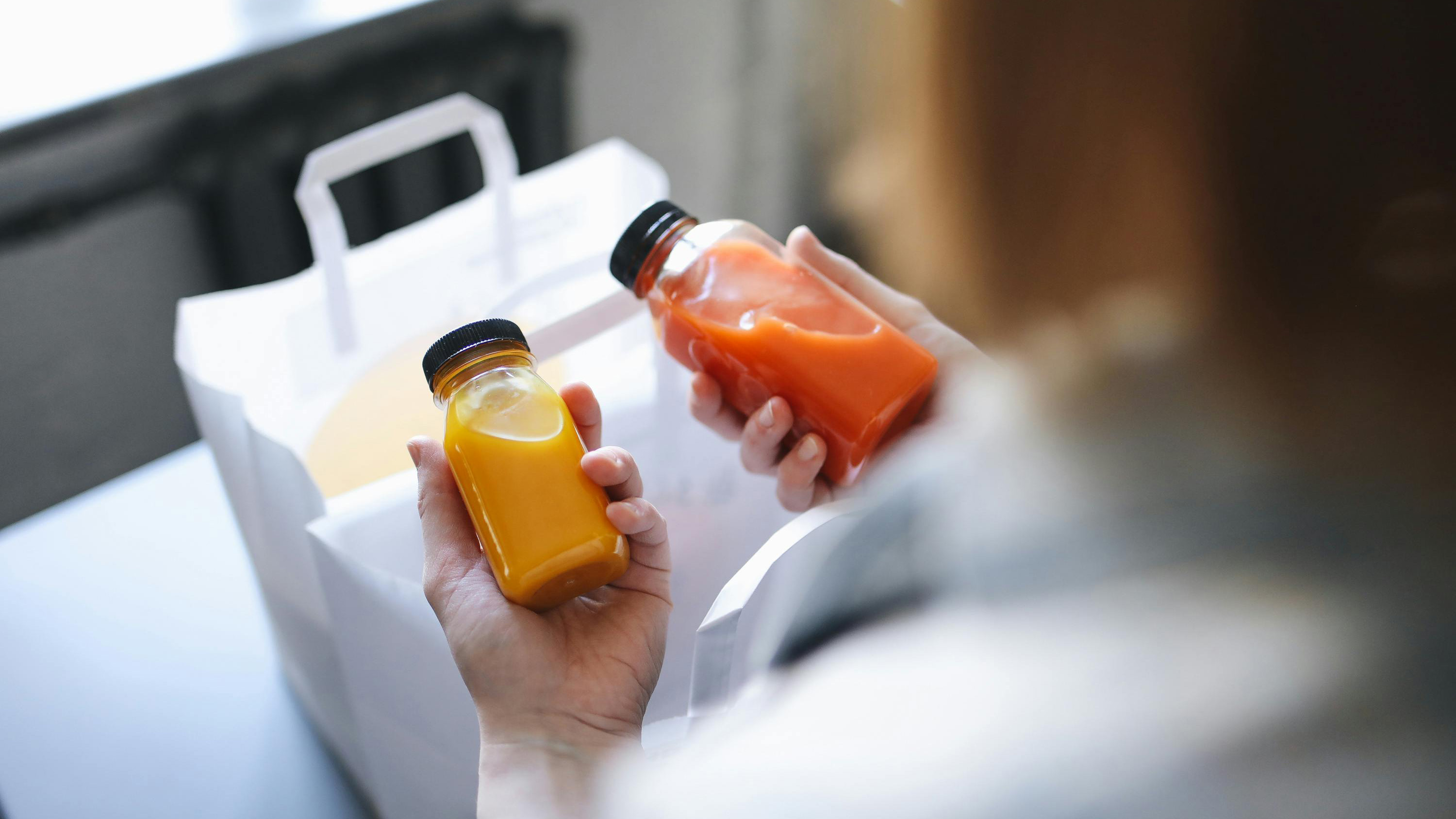
PET is that clear plastic you see on water bottles and soft drink containers. In takeaway food, it's everywhere: salads, desserts, cold dishes, basically anything where you want customers to see what they're getting.
The good news? PET is another one of the EU's recycling success stories. Collection rates are strong, sorting infrastructure is solid, and there's real demand for recycled PET. That matters, because if recyclers actually want the material, it's way more likely to get recycled rather than just tossed in a landfill.
Overall recyclability: Medium-high
Very strong when clean and clear; drops off when contaminated or over-designed.
Future proof? High
Under the PPWR, PET is expected to remain widely accepted. But new regulation wants simple designs. Keep it clear, skip unnecessary colors, avoid multi-layer complexity. The cleaner and simpler your PET containers are, the more future proof they'll be.
PP Plastic
Common examples: black or white takeaway bowls, noodle bowls, curry trays, microwave-safe containers
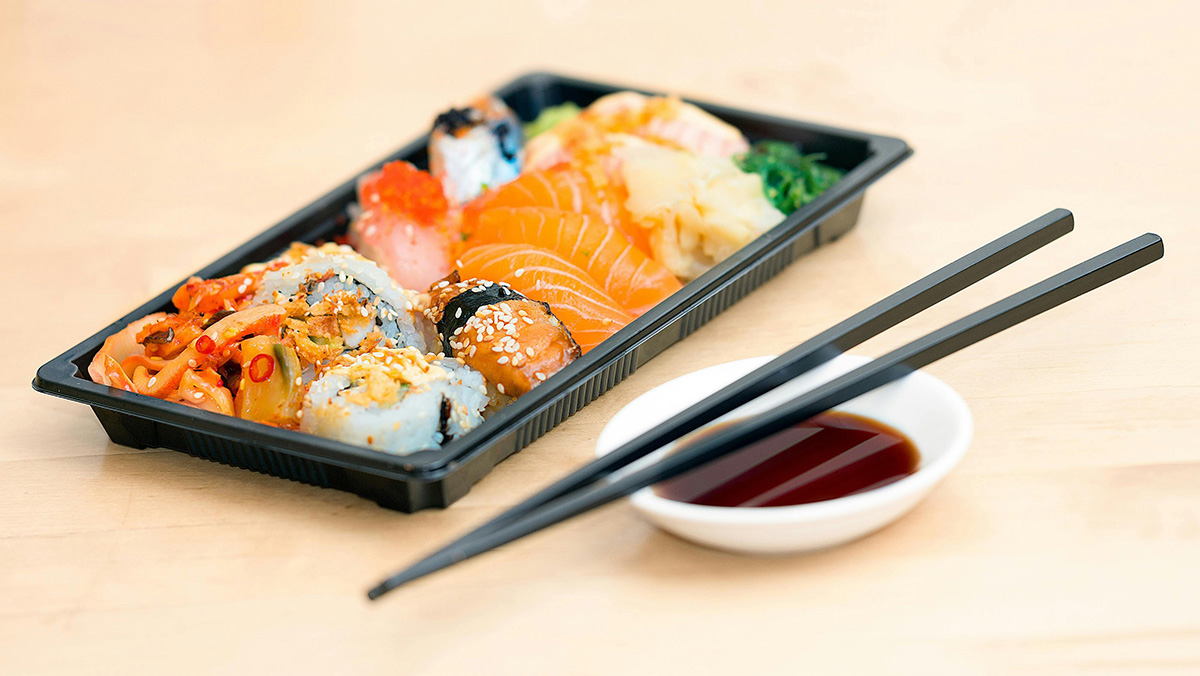
PP is the workhorse plastic for hot meals. It can handle heat, which is why you see it used for curries, stir-fries, rice dishes, anything that comes out of the kitchen still steaming.
PP is technically recyclable, but... Some EU countries handle it well while others barely recycle it at all. Sorting systems often can't detect black containers, which means they end up as trash even when people put them in recycling.
Overall recyclability: Medium
Good potential, but infrastructure is uneven across Europe.
Future proof? Depends- But at best, medium.
So go light colored and simple with your PP packaging. The PPWR is putting pressure on packaging that doesn't sort well or can't prove it's recyclable at scale.
Paper (w/wo Plastic Coatings)
Common examples: Pizza boxes, fast-food burger clamshells, noodle boxes, paper bowls with thin linings
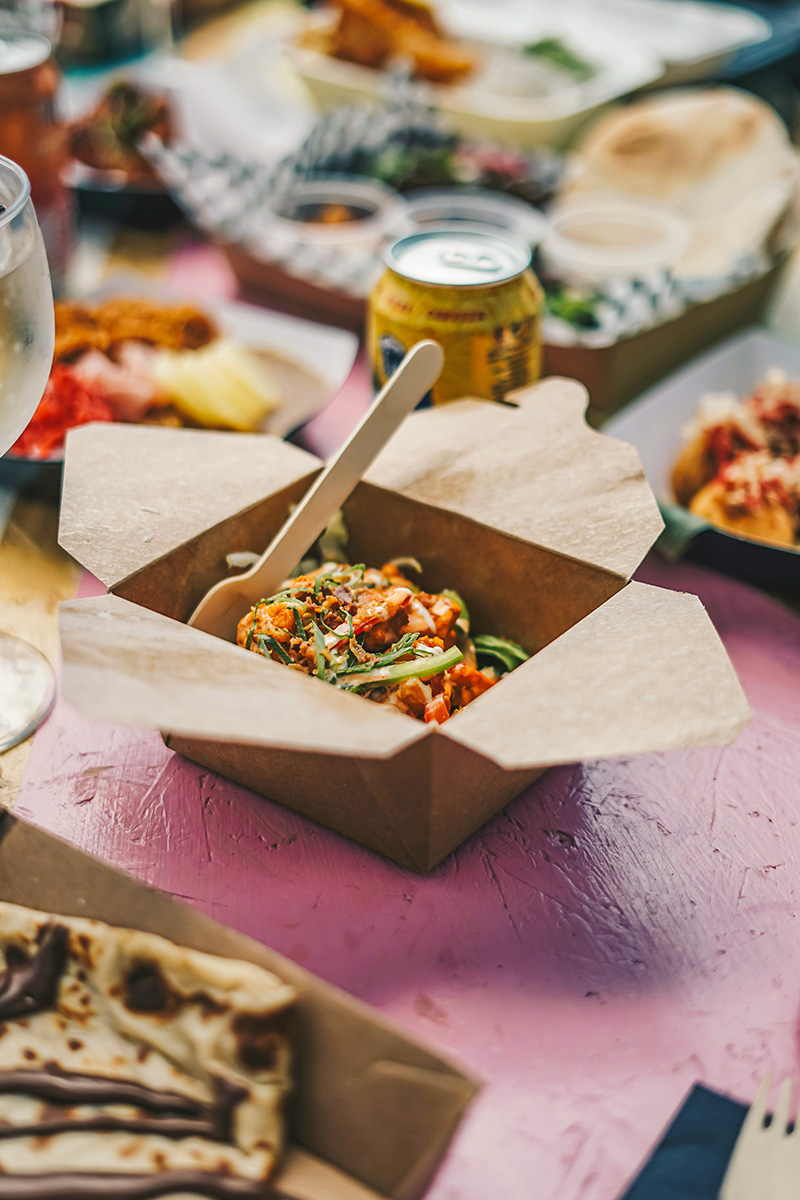
Here's where things get misleading. Paperboard containers look eco-friendly because they feel natural. But many of them have a thin plastic lining to prevent leaks, and that lining ruins everything.
In most EU countries, coated paperboard gets rejected during sorting or ends up pulped with poor-quality results. So new regulation puts pressure on coated containers unless the coating is easy to remove or water-soluble. These are rare and more expensive.
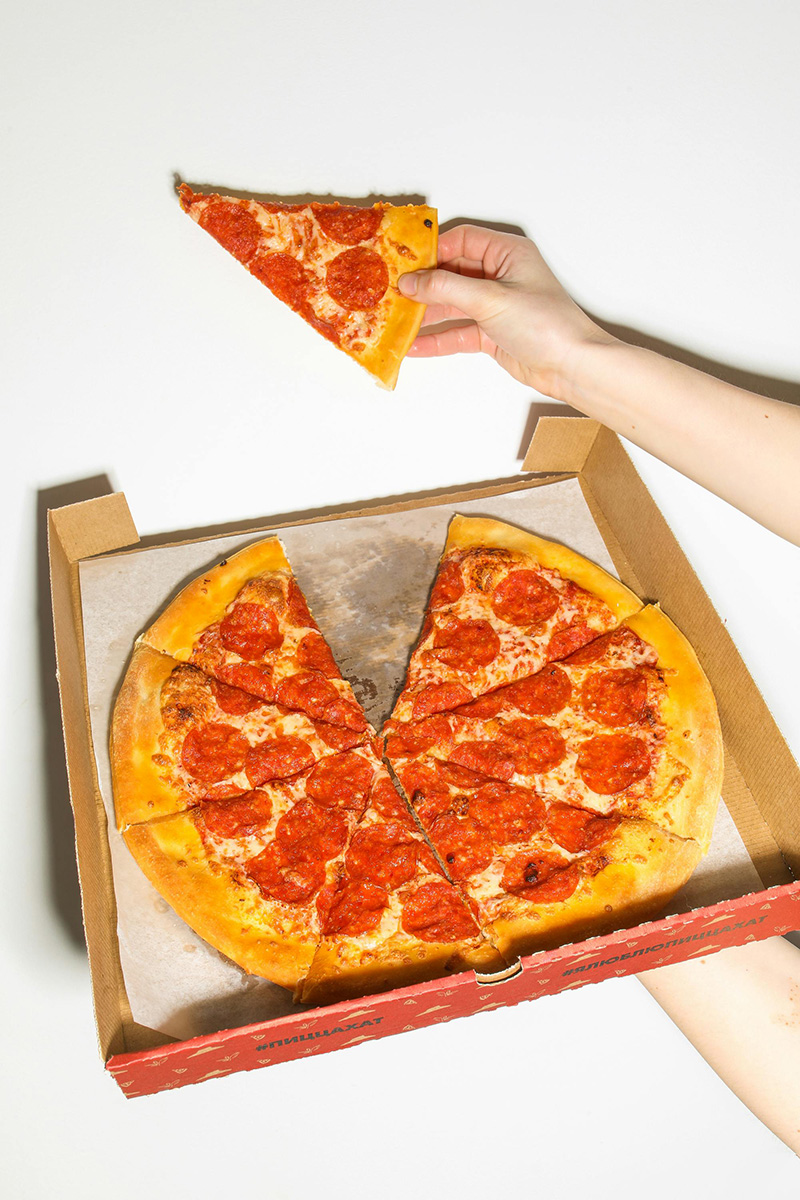
Classic pizza boxes hit the sweet spot: no coatings, right-sized for their contents and recyclable virtually everywhere.
Pro tip: if your pizza leaked a lot of oil, tear off the top for recycling and trash the greasy bottom half.
Overall recyclability: Medium-high for lightly coated, low for heavily coated
Excellent for dry foods; problematic for wet or greasy items.
Future proof? Medium to Low
It depends on the lining. Thin and water-soluble linings will probably be ok going forward. PFAS linings on the other hand will be banned outright starting August 2026.
Best option: stick to pure paper and cardboard packaging.
Compostable
Common examples: beige "eco" bowls, compostable clamshells, molded fiber plates
Made from sugarcane fiber, these containers show up everywhere now, often marketed as the greener alternative to plastic. In theory, they're compostable. In practice? Industrial composting capacity is seriously limited across most of the EU. Most municipalities don't accept these containers in organic waste streams.
Overall recyclability: Low
Only works in areas with specialized composting systems, which is not most places.
Future proof? Low
Here's the problem: the PPWR evaluates packaging based on the waste systems that actually exist today, not hypothetical ones that might exist someday. Without widespread composting infrastructure, these containers usually just end up in general waste.
Very Bad Options (Avoid These At All Costs)
PLA and Other Bioplastics
Common examples: compostable clear cups, compostable lids, bio-based salad boxes
This is where things get really frustrating. Compostable plastics like PLA look just like regular plastic but behave completely differently. They can't go in normal plastic recycling. And despite what the label says, most composting facilities in Europe won't accept them either.
What's worse: when PLA ends up in PET or PP recycling streams- which happens all the time because they look identical- it contaminates the entire batch. This is a huge headache.
Making bioplastics requires massive amounts of water, energy, and pesticides to grow corn and other crops. As one expert puts it, you're growing food-like substances just to make materials that you're going to then throw away.
Overall recyclability: Very low
Compostable in theory, rarely composted in real EU conditions. Often worse for the environment than what they replace.
Future proof? Nope
The PPWR prioritizes materials that work with established recycling systems. Most PLA and compostable formats are expected to decline sharply as companies shift toward materials with predictable end-of-life pathways.
Foils and Multi-Layer Laminates
Common examples: foil-lined wraps, soup cups made of paper + plastic, laminated pouches, multi-layer lids
These packages layer different materials together (plastic, paper, aluminum) to get specific performance characteristics like leak resistance or heat tolerance. Sounds clever, right?
Problem is, recyclers can't separate these layers economically. At all.
Overall recyclability: Very low
Hard to recover, rarely accepted, not aligned with future EU requirements.
Future proof? For sure not
The PPWR requires packaging to be recyclable "at scale," and multi-layer materials face some of the strongest pressure under the new rules.
Expect many formats in this category to be phased out or replaced with simpler alternatives.
Expanded Polystyrene (EPS)
Common examples: foam burger boxes, foam cups, lightweight foam trays
If you're still using foam containers, start looking for replacements NOW. They're disappearing fast.
EPS foam has already been banned for several takeaway applications under previous EU directives, and the PPWR reinforces the trend away from this material. It breaks easily, is difficult to collect, and isn't realistically recyclable at scale.
Overall recyclability: Very low
Not compatible with current or future European waste systems.
Future proof? Absolutely not
Just not going to happen.
TL; DR / What Materials Are Actually Best for the Future?
Taking recyclability, practicality, and the direction of the PPWR into account, your safest long-term bets are:
- PET for cold food
- Aluminum for hot meals or oven-ready dishes
- Simple, mono-material PP for warm foods (lighter colors work better)
- Uncoated or lightly coated paperboard for dry foods
- Reusable systems wherever operationally feasible
And AVOID!
Molded fiber, PLA and compostable plastics, heavily coated paperboard and PFAS, Multi-layer or laminated materials and definitely EPS foam.
One More Thing: Don't Waste the Food
The environmental footprint of food production is massive compared to packaging disposal. So yes, choose better containers when you can. But the most important thing? Don't waste what's inside them.
And remember: sometimes the trash bin is actually the right place for something. When in doubt, throw it out.
Conclusion
New regulations like the PPWR are reshaping the entire European packaging landscape. Choosing the right to-go containers isn't just about function or cost anymore. It's about being widely accepted, and compliant as regulations tighten.
Your customers will judge your brand based on your choices.
Aluminum, PET, and straightforward PP formats are emerging as the most reliable, future-proof choices. Compostables, multi-layer laminates, and foam containers, once everywhere, are disappearing fast. And so will you if you continue to rely on them.
Businesses that transition their packaging now will benefit their brand, logistics, long-term compliance and profitability.